
Troubleshooting
How To Adjust The Scrap Metal Crusher Output Particle Size
Adjusting the particle size in a metal crusher is less about complex settings and more about managing the physical dynamics within the crushing chamber. From 20 years of field experience, We've found that output consistency relies on four critical pillars: screen selection, hammer clearance, feeding logic, and rotor speed.
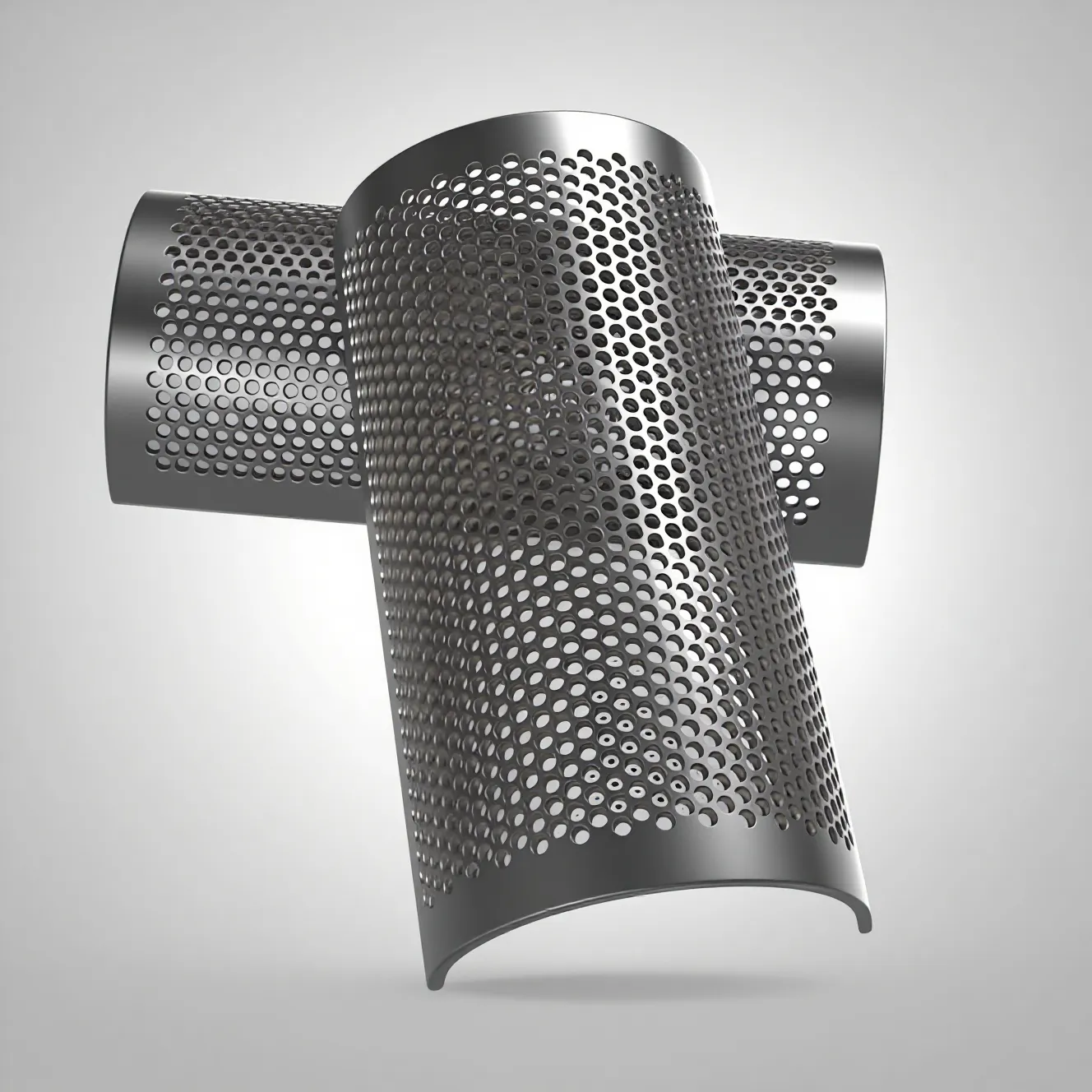
1.Change the screen plate (bottom grate):
This is a crucial mechanical setting. If you want 50mm material, set the screen apertures to around 45–50mm. Remember, scrap metal is irregular—long, thin strips can always slip through—so allow for some margin relative to your target size.
2. Adjust the clearance:
Keep a close eye on the gap between the hammer heads and the screen plate. A smaller gap results in finer grinding and better-formed balls. As hammer heads wear down and shorten, the output material becomes coarser; you’ll need to adjust the screen plate bracket height or build up the hammer heads via welding to restore the proper clearance.
3. Control the feed rate:
Never jam material in too aggressively. Overfilling the crushing chamber creates a "cushion" effect; the hammers can't strike effectively, and material is forced out by pressure rather than impact, resulting in a coarser product. Feed steadily to ensure the material tumbles inside the chamber, which yields uniform particle size.
4. Manage rotor speed:
For lightweight materials like aluminum cans or color-coated steel sheets, higher speeds improve the balling effect. However, high speeds increase bearing heat and blade wear, so you need to weigh these factors against the costs.
Prev Post
Not Prev
Leave a Message