
Shredder
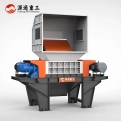
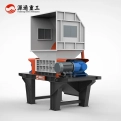
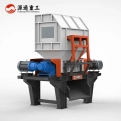
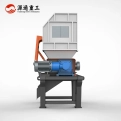
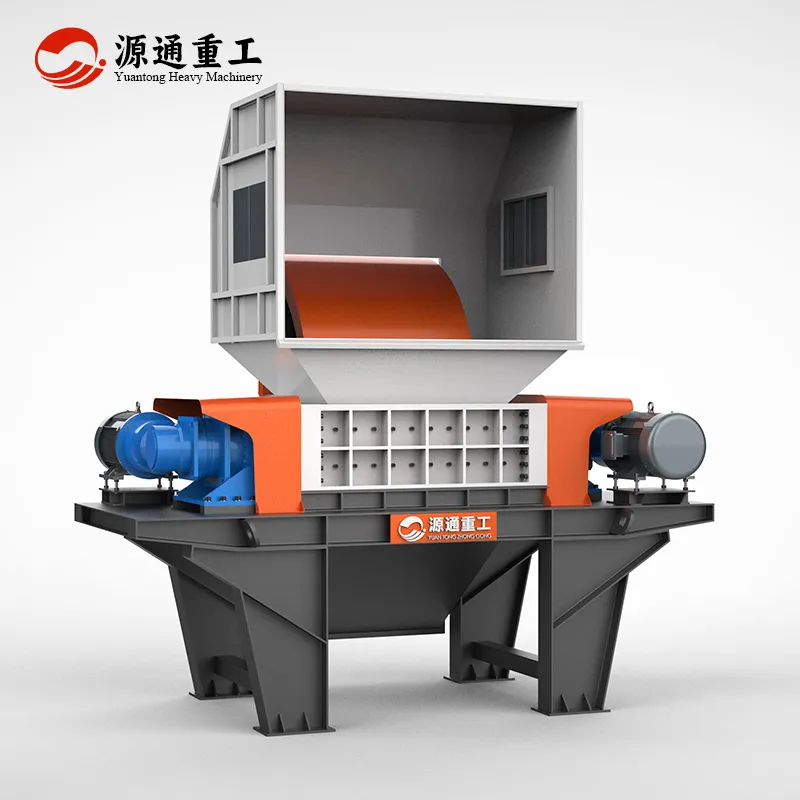
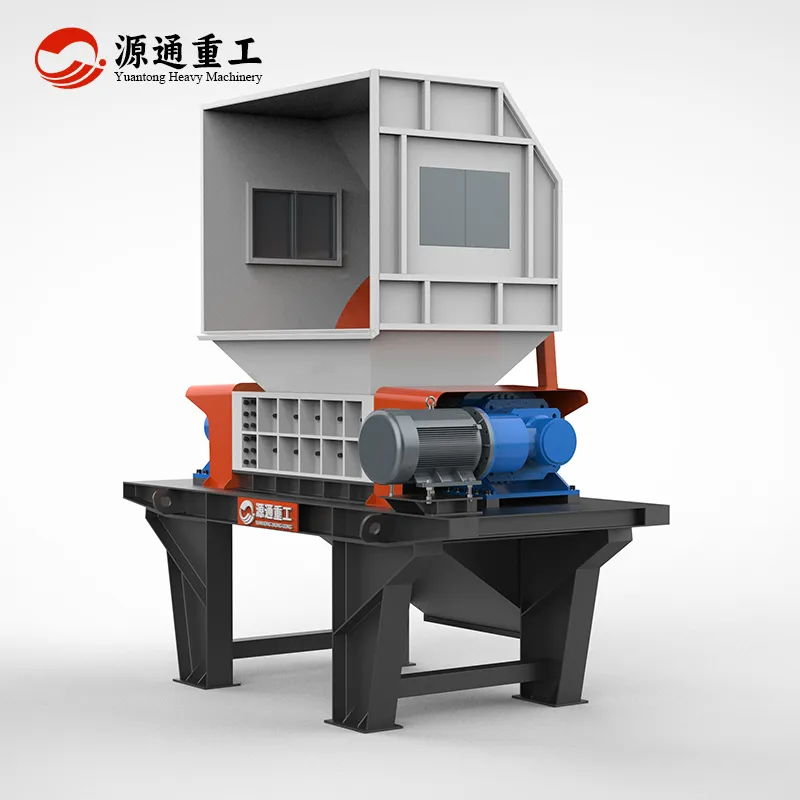
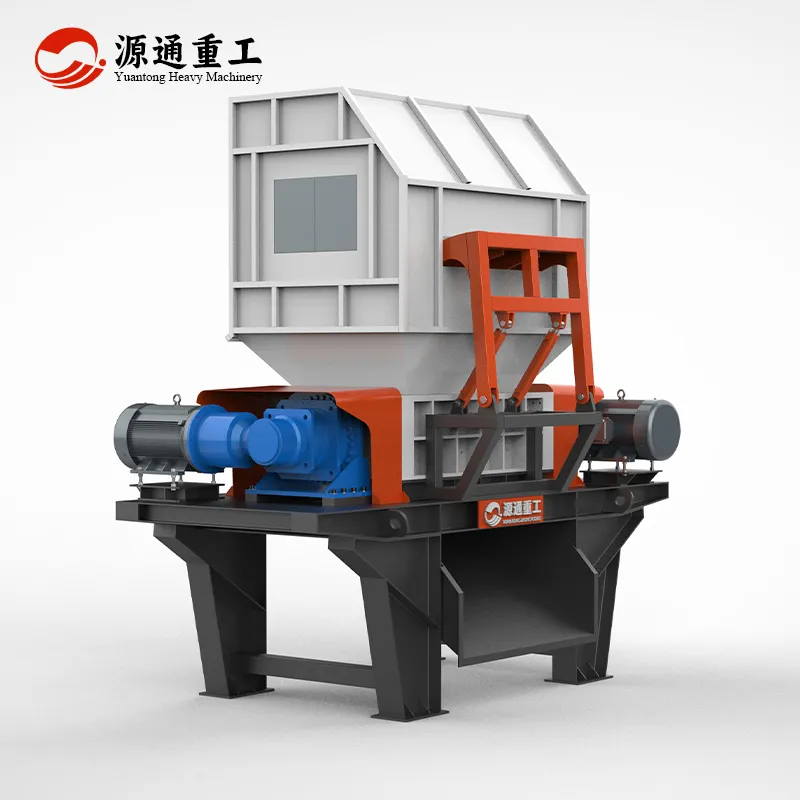
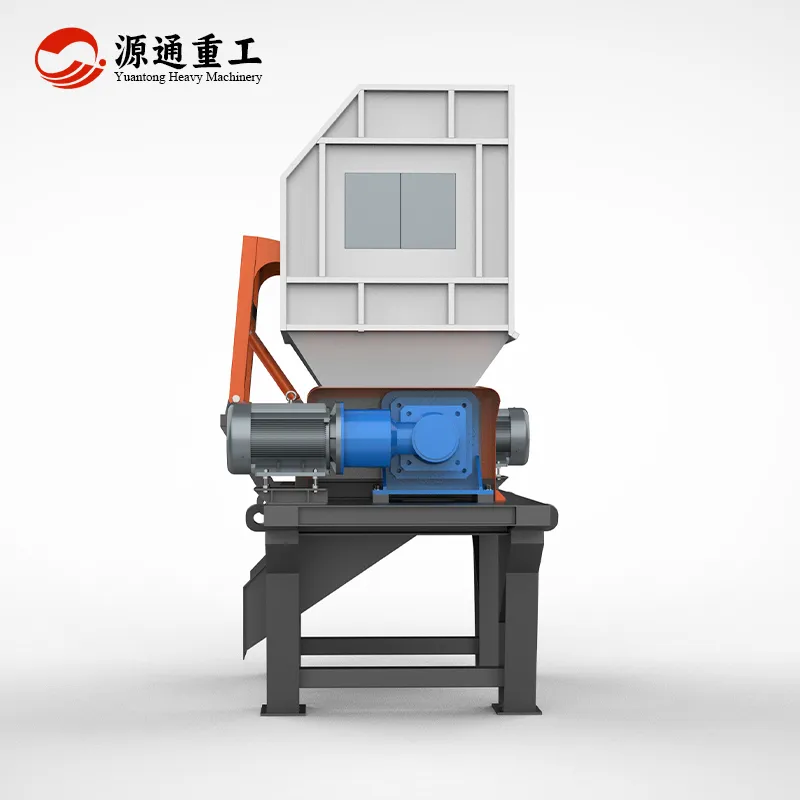
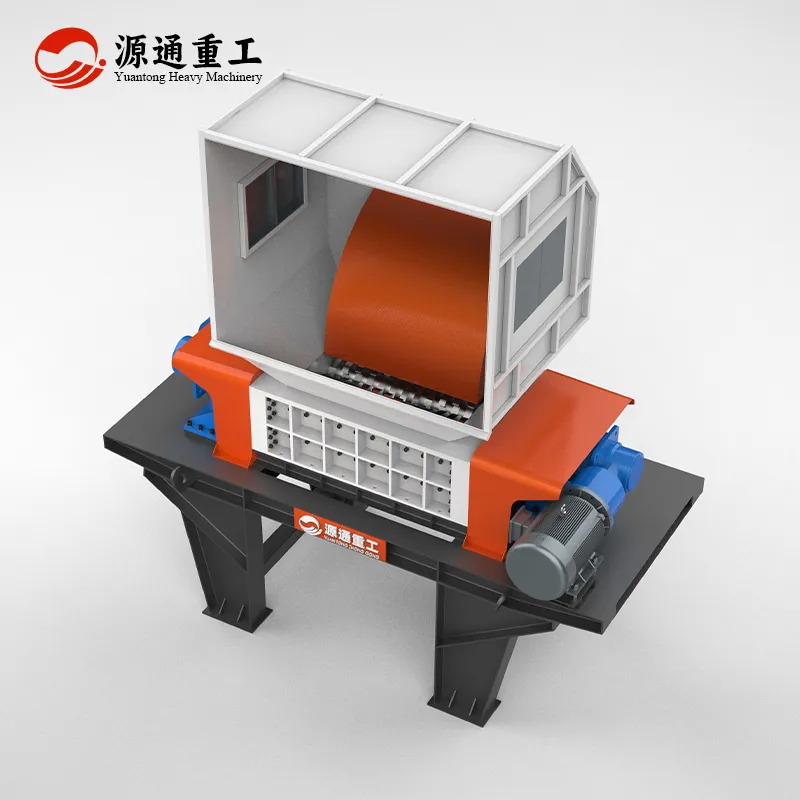
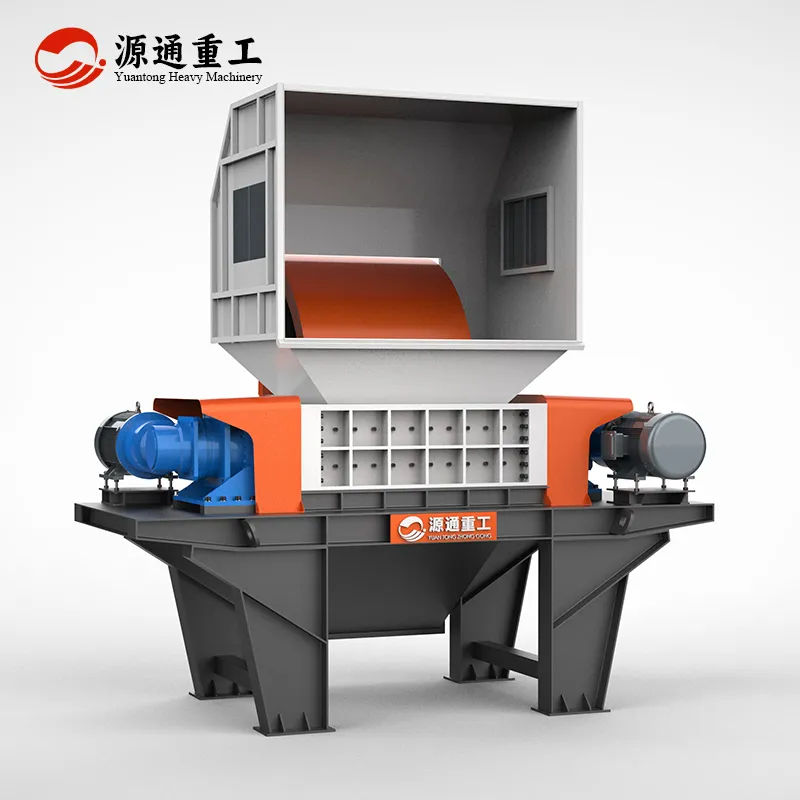
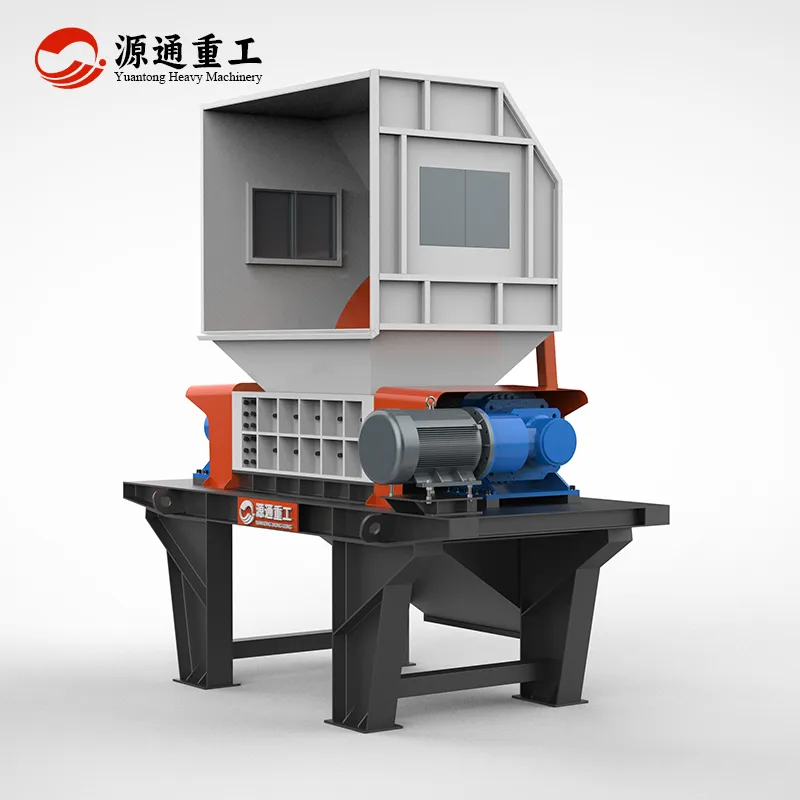
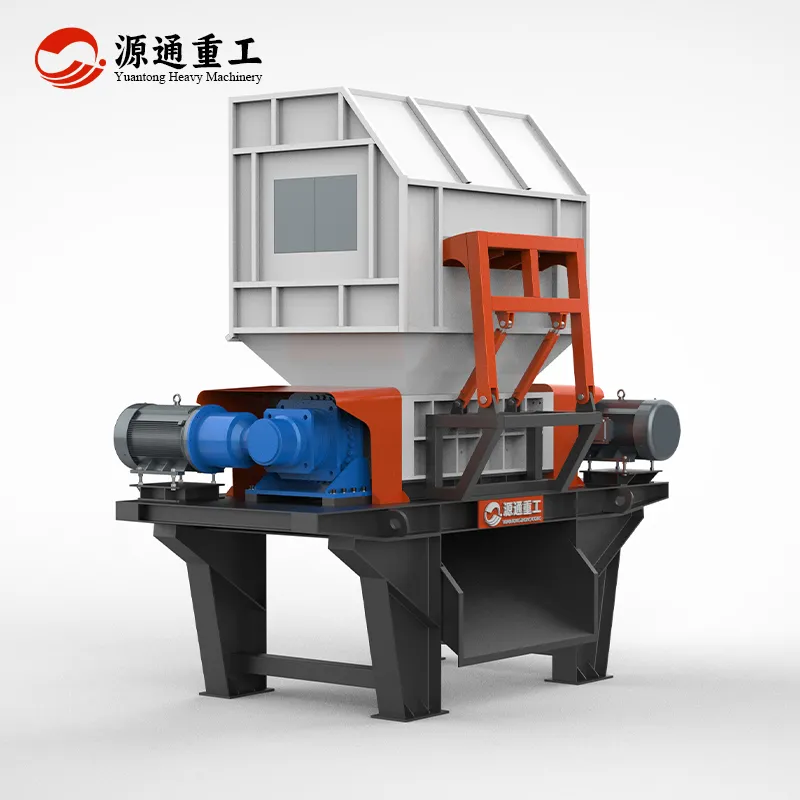
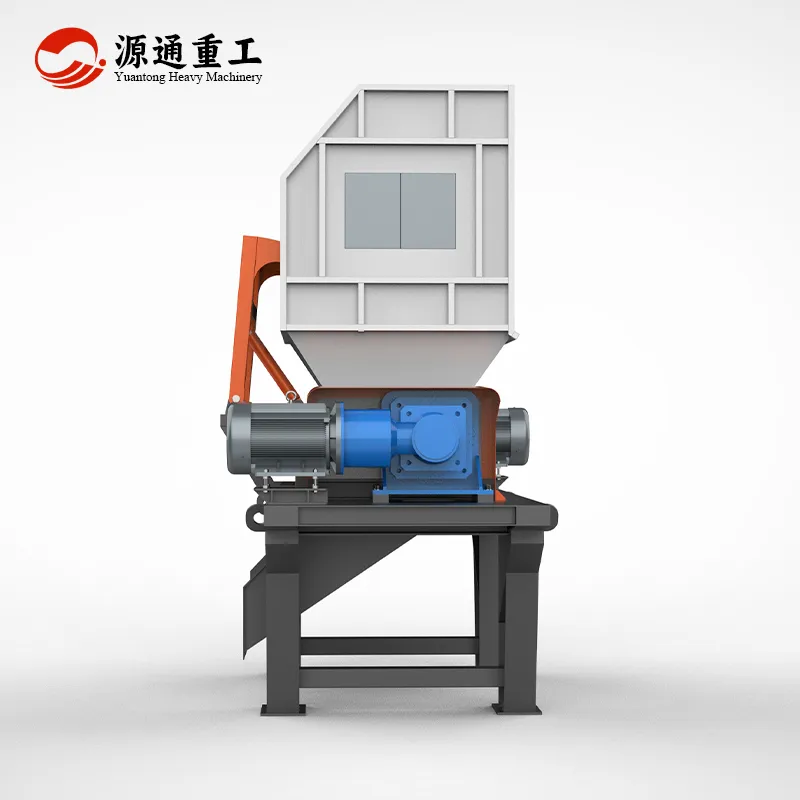
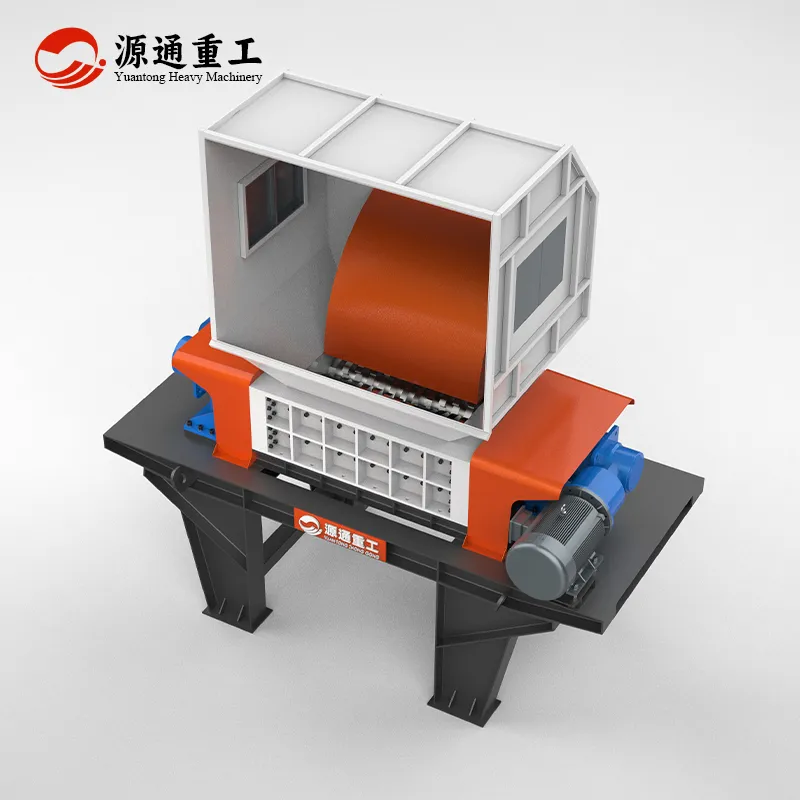
Twin-shaft shredder
Twin shaft shredder (double shaft shredder type) — custom-built pre-shredder for plastic, wood and bulky waste, low speed 8–12 rpm, forced feed device...
Model:
600 | 800 | 1000 | 1200 | 1600 | 1800 | 2000
Power:
5.5kw-160kw * 2
Capacity:
0.5-18TPH
Applicationматериал:
Iron | Aluminum | Steel | Plastic | Wood | Clothing | MSW | Electronic waste | Copper
Product Introduction
Twin shaft shredder (also listed as double shaft shredder) for first-stage pre-shredding of bulky waste — pipes, drums, pallets, film bales, white goods, mixed waste — into coarse pieces (typically 30–80 mm) that later steps (granulating, washing, sorting, baling) can handle. Configured to order: blade material, rotor width and discharge options are selected for your feed. It does not crush structural steel, and sealed vessels must be removed from the feed.


Working Principle
The twin shaft shredder's two shafts with interlocking blades rotate toward each other at very low speed (8–12 rpm) with high torque — slow enough to cut thick, tough material with force rather than impact. The blades pull material into the cutting zone, while a rear forced-feed device catches material thrown back out by the rotors and pushes it back in, so nothing bounces out of the hopper. Pieces are torn between the blade stacks and discharge through the blade gap; an optional rotating screen can be fitted on the double shaft shredder for a more controlled discharge size. On overload the rotors briefly reverse to clear jams.
Technical Advantages
Rear forced-feed device — material thrown back by the twin shaft shredder's rotors is pushed back in: no material bouncing out, no manual re-feeding.
Very low speed, high torque (8–12 rpm) — cuts with force; low dust, low noise, tolerant of foreign objects.
Custom-built to your material — the double shaft shredder's blade material is selectable from multiple grades, rotor width and screen configurable.
Optional rotating screen — gives a more uniform discharge when the next step needs it.
Self-feeding rotors — no hydraulic ram needed.
Auto-reversal on overload — jams clear themselves.
Serviceable wear parts — a blade change takes hours, not days.
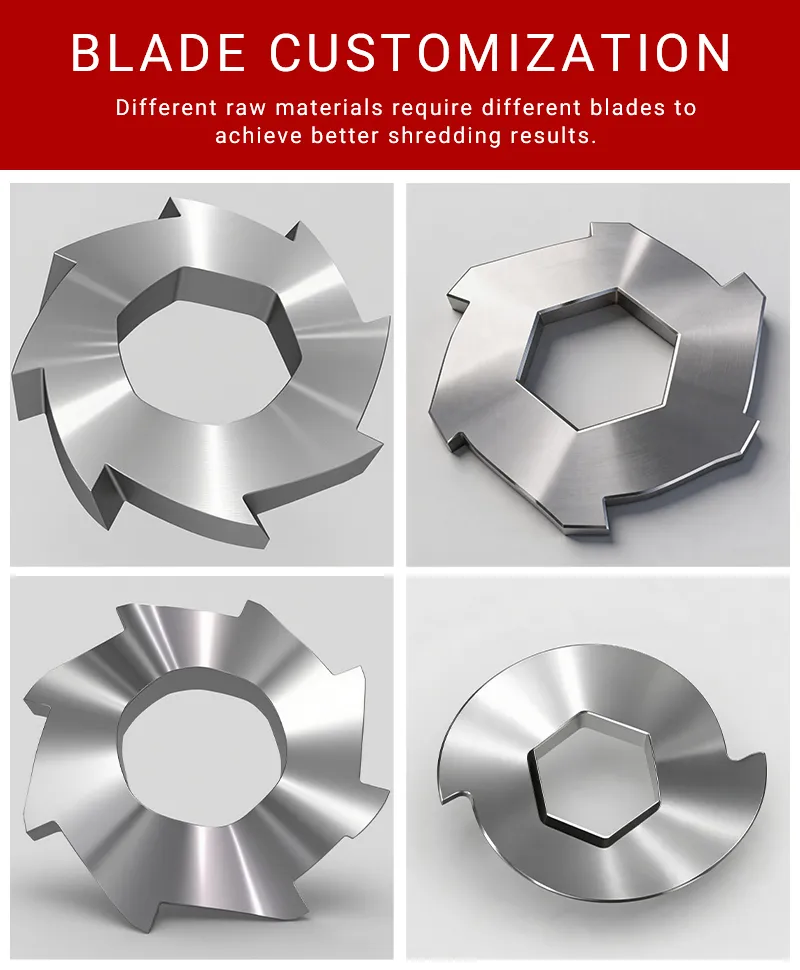
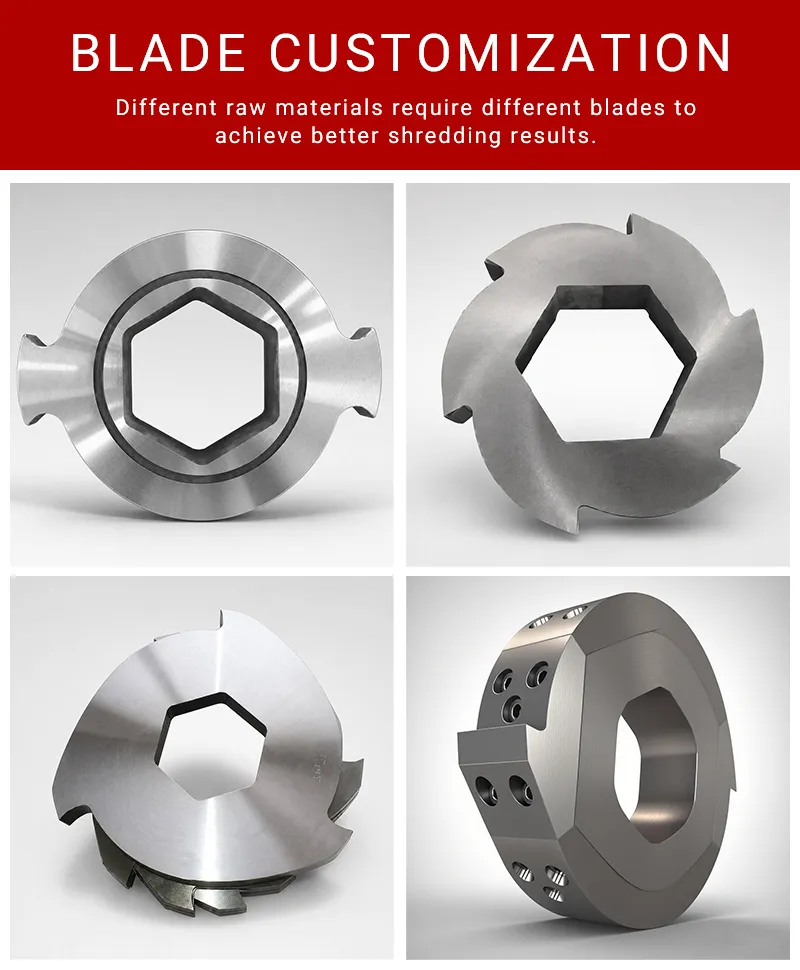
Blades — the main cost item. Multiple material grades available, selected for your feed (hardness and wear resistance vary by grade). Blades are normally not re-ground: worn blades are replaced. Life: months on clean plastic; much shorter on abrasive feed (sand-contaminated wood, rubber with fabric). Keep a spare set; budget replacement as operating cost.
Spacers and knife seats — inspect at each blade change.
Side wear plates — replaceable, protect the chamber.
Bearings and seals — dust is the main killer; follow the lubrication schedule.
Rotating screen (if fitted) — a wear part; inspect and replace per interval.
Technical Specifications
| Model | Power (kW) |
Spindle speed (rpm) |
Blade Diameter | Particle size | Overall size | Capacity | ||
| YTS-600 | 2*22 | 8-12 | 220/300 | 3-10 | 7*4*4.5 | 0.16-1.5 | ||
| YTS-800 | 2*30 | 8-12 | 300/350 | 3-10 | 6*3.5*2.4 | 2-3 | ||
| YTS-1000 | 2*37 | 8-12 | 380/450 | 3-10 | 5*3*2.4 | 3-6 | ||
| YTS-1200 | 2*45 | 8-12 | 400/500 | 3-10 | 4*2*2.2 | 4-10 | ||
| YTS-1600 | 2*55 | 8-12 | 450/500 | 3-10 | 3*2*2 | 6-12 | ||
| YTS-1800 | 2*75 | 8-12 | 500/600 | 3-10 | 3*1.8*2.2 | 8-15 | ||
| YTS-2000 | 2*90 | 8-12 | 600/700 | 3-10 | 2.8*1.6*2 | 10-18 | ||
| For more information, please contact us: 8615736727558 hnytzgjx@163.com | ||||||||
FAQ Section
Frequently Asked Questions!
Find answers to frequently asked questions about our products, services, and policies—all your queries will be addressed here.

Are you a manufacturer or a trading company?
We are a professional manufacturer specializing in recycling and waste processing equipment.
Can you customize the machine according to our requirements?
Yes, we provide customized solutions based on your materials, capacity, and site conditions.
What materials can your shredders process?
Our shredders can process metal scrap, plastics, tires, e-waste, wood, and various solid wastes.
Do you provide installation and technical support?
Yes, we offer complete technical support, installation guidance, and after-sales service.
How can I get a quotation?
Simply send us your material type, capacity requirement, and project details for a quick quotation.