
Shredder
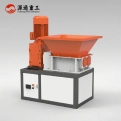
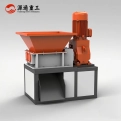
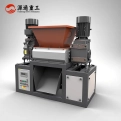
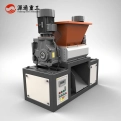
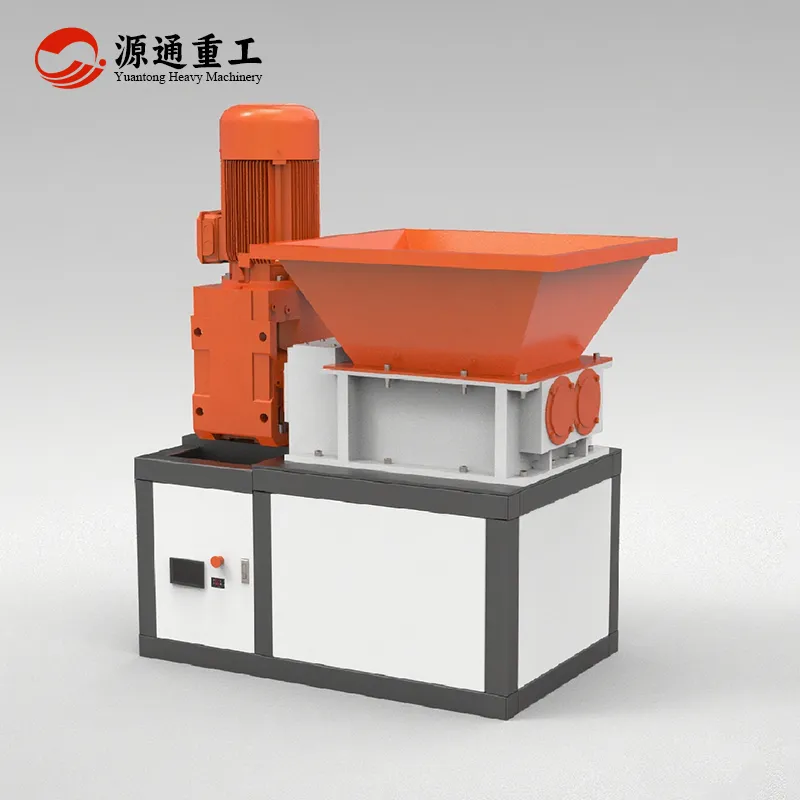
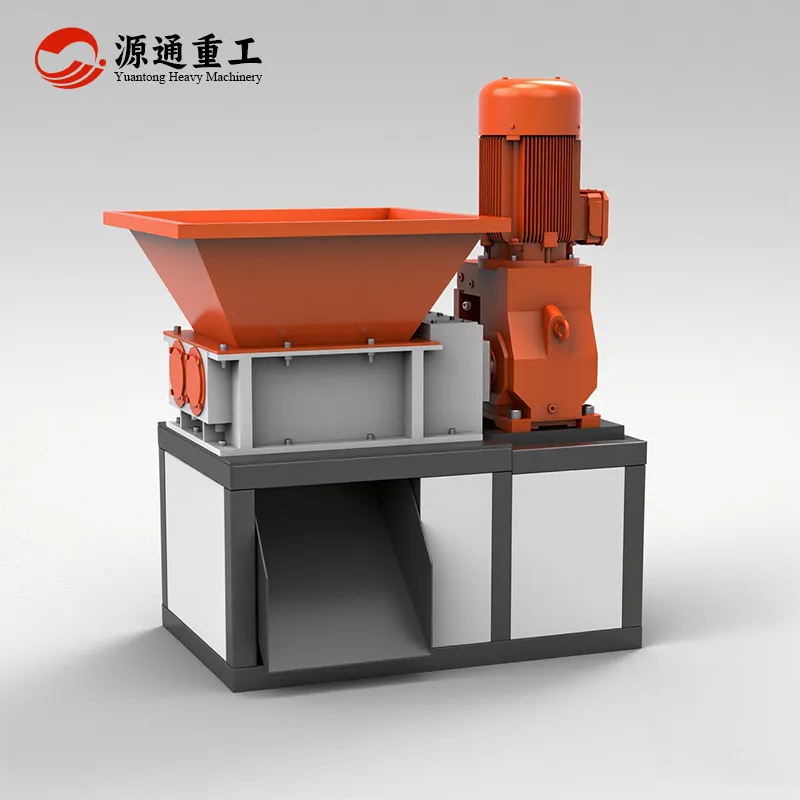
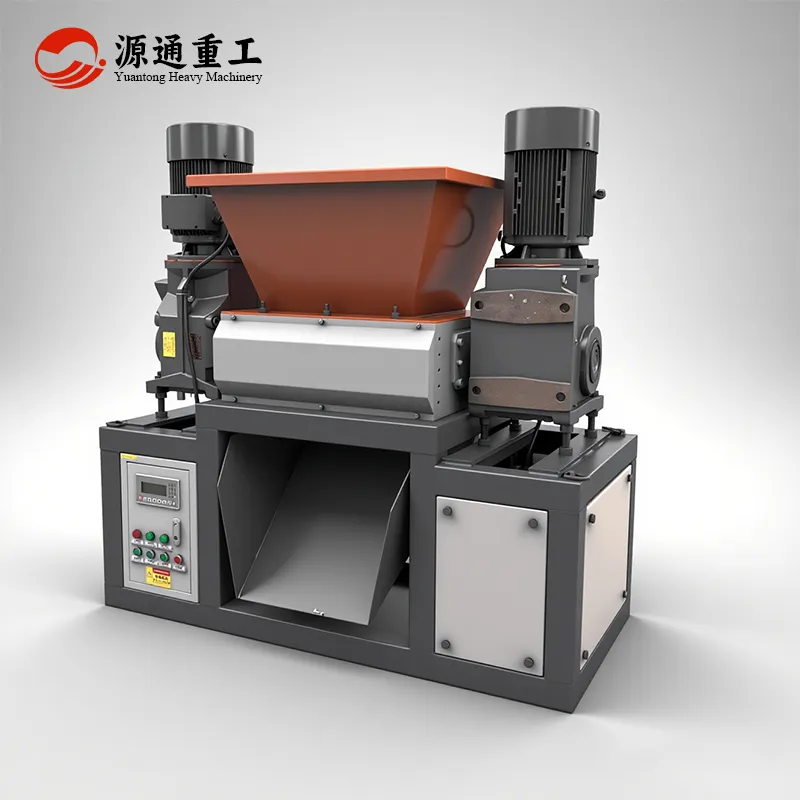
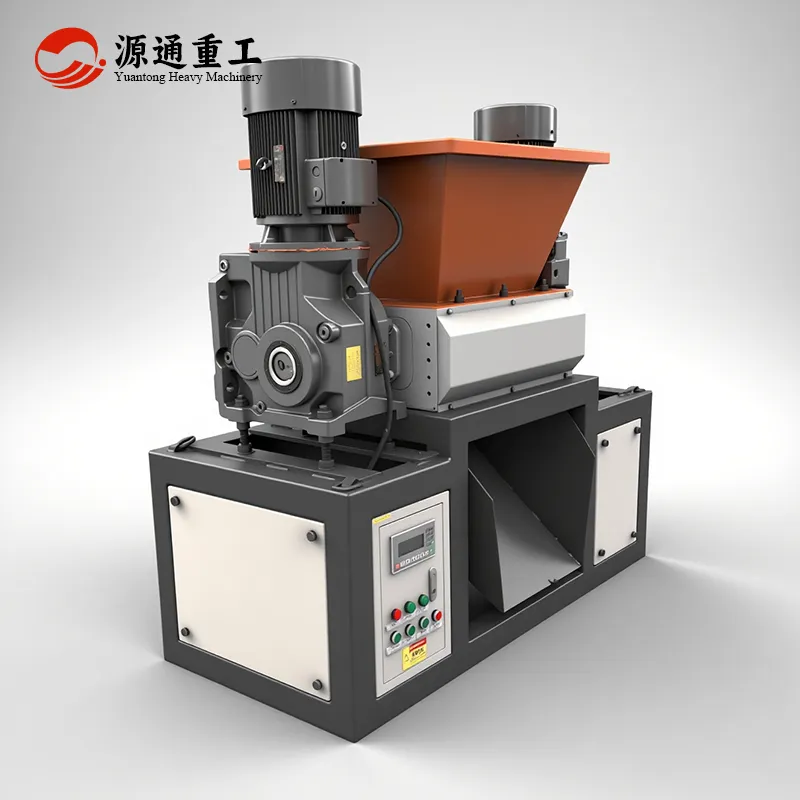
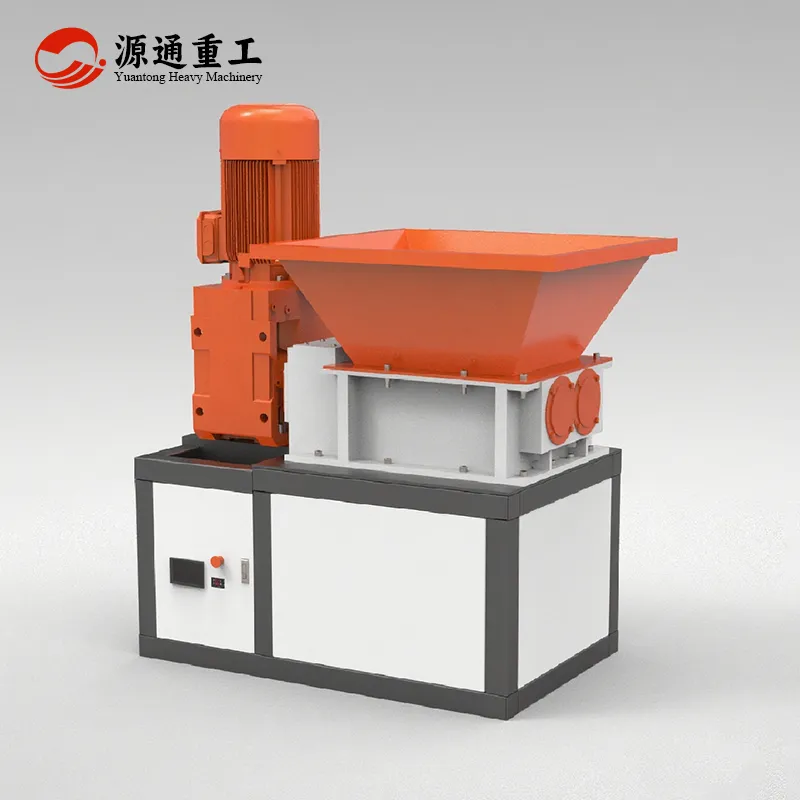
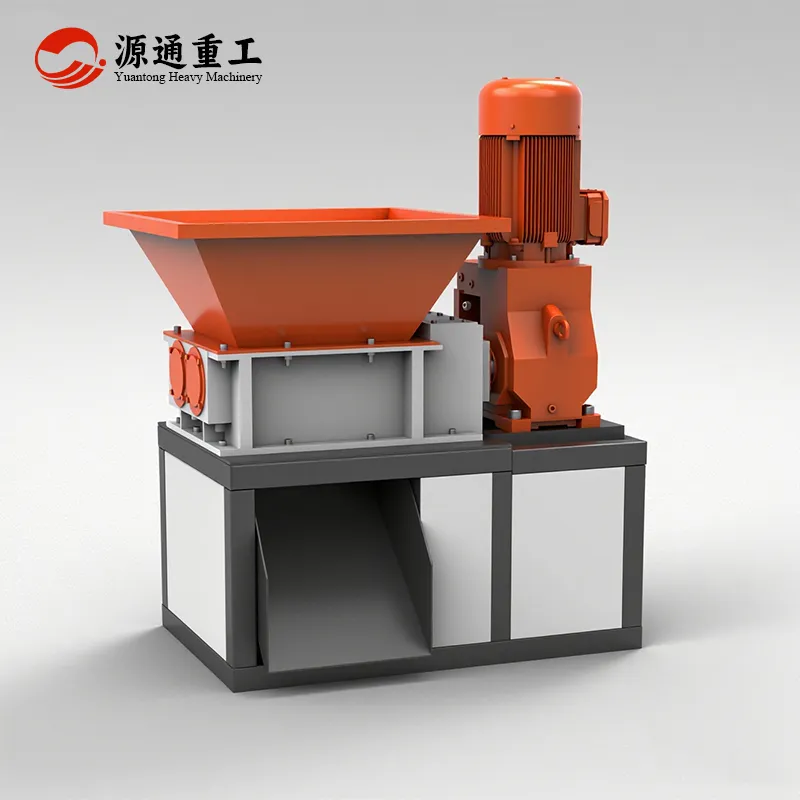
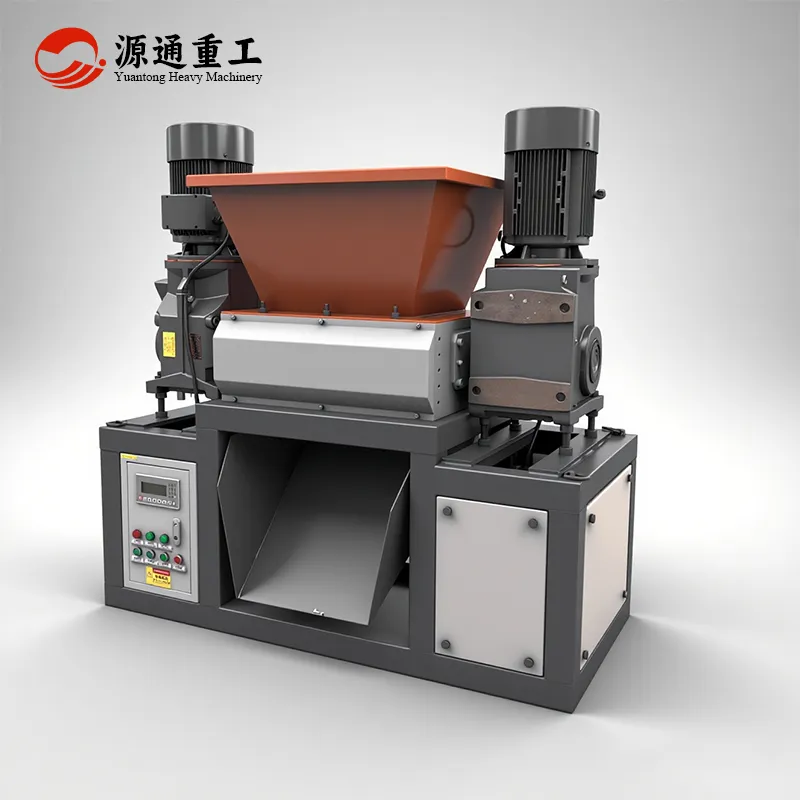
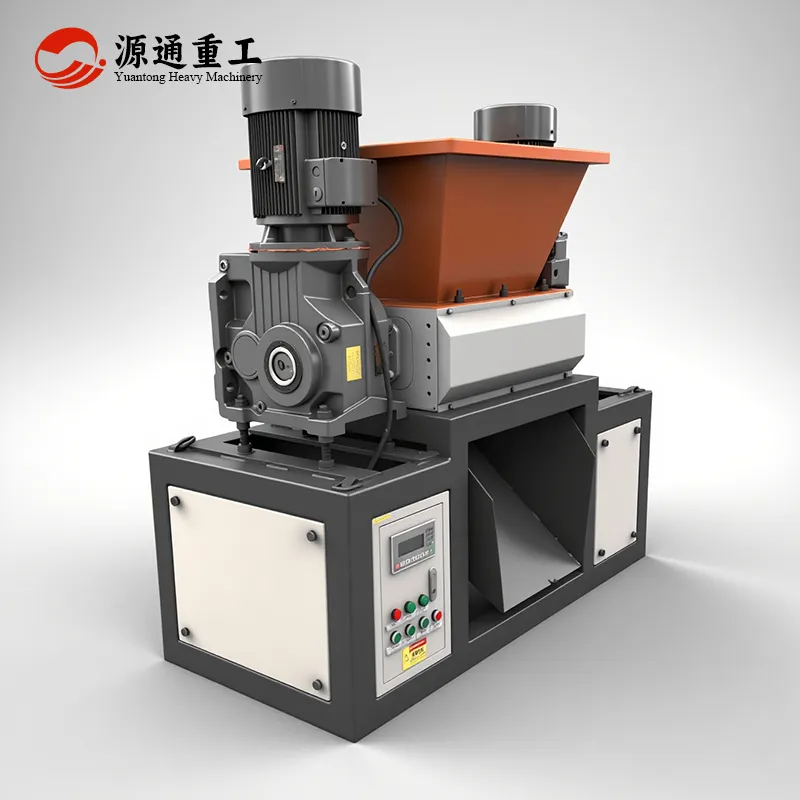
Small shredder
YTS-400 small twin shaft shredder for light-gauge material: aluminum up to 1 mm, thin steel, film and textiles. 200-1000 kg/h, 2x5.5-7.5 kW, compact f...
Model:
400 | 500
Power (kW):
5.5kw-15kw
Blade Diameter:
180 | 200
Capacity:
200-1000kg
Why Choose the 400 (and Not a Larger Machine)
A small twin shaft shredder like the YTS-400 is bought by shops that process light, thin material in small volumes: a can yard flattening aluminum cans and tinplate, a sheet-metal shop shredding its own stamping skeletons and offcuts, a recycler baling film and textiles. The 400 has modest power — 2 × 5.5–7.5 kW — and that is deliberate: for light material a bigger machine is wasted investment. A large twin-shaft shredder costs more, takes more floor space, draws more power and only pays for itself on continuous duty with heavy feed. The 400 small twin shaft shredder does the light-material job at about 200-1000 kg on a standard three-phase supply, small enough for a workshop corner or a 20 ft container.
What It Solves: Suitable Materials and the Power Limit
The 400 small twin shaft shredder handles light-gauge material. On metal, the limit is thickness: aluminum up to about 1 mm, steel at fractions of a millimeter — aluminum cans and foil, tinplate, thin sheet offcuts and stamping skeletons. On non-metal it handles film, bags, paper, cardboard, textiles and light plastic parts.


Working Principle
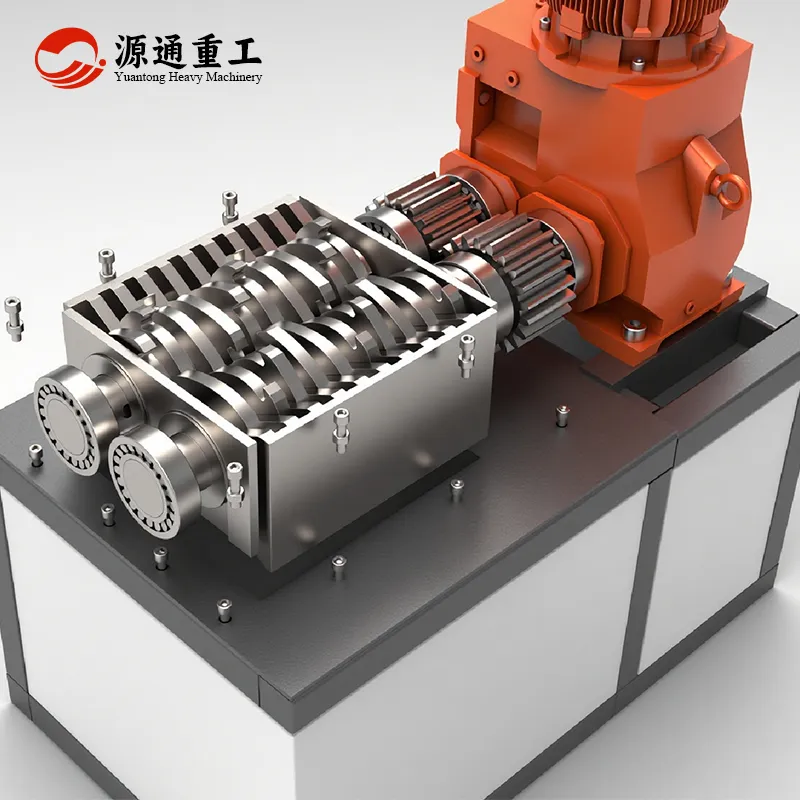
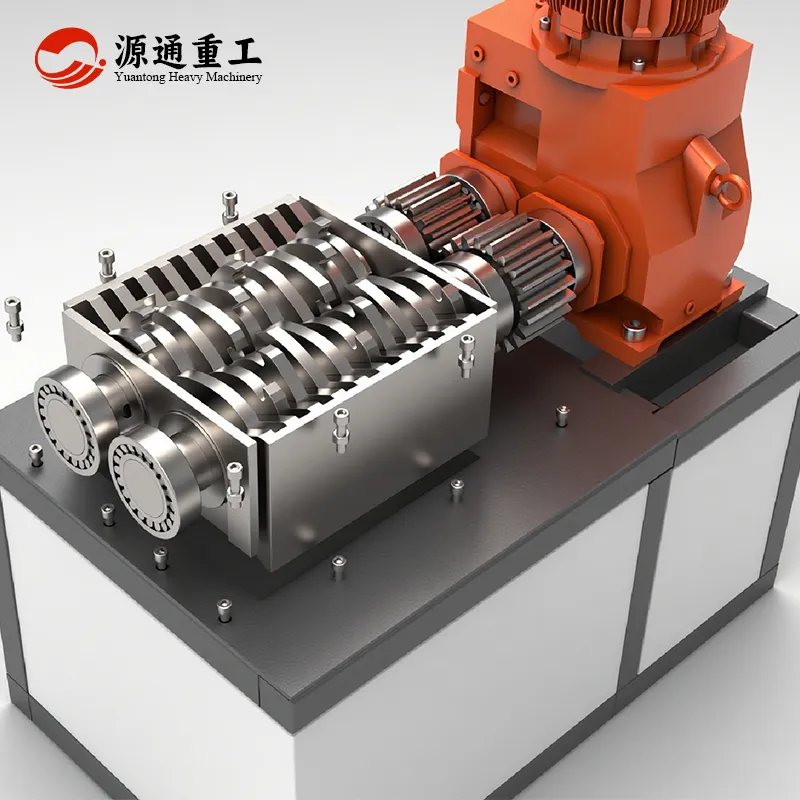
Two parallel shafts with interlocking blades rotate toward each other, so material dropped into the hopper is pulled down into the cutting zone — the small twin shaft shredder feeds itself and needs no hydraulic ram. Blades on one shaft pass between blades on the other, and the material between them is cut and torn as the stacks intermesh. Pieces fall out the bottom once they are smaller than the gap between the blade stacks. The small twin shaft shredder runs at low speed, roughly 8–12rpm, cutting with force rather than speed; on overload both shafts reverse briefly to clear the jam, so one person can hand-feed it safely.
Rotor Structure
On this small twin shaft shredder, two horizontal shafts are each driven by their own motor and K Series gearbox. The shafts are 42CrMo alloy steel, heat-treated and keyed for the blade stacks. Each shaft carries its blade stack between spacers, running in two SKF or NSK bearing housings sealed against dust. Both drives have torque protection; the machine reverses automatically on overload.
Blade Structure
The cutting element is a stack of individual hook-shaped blades, staggered so the two stacks intermesh. Standard grade is M6V, H13, Cr12MoV or D2 tool steel hardened to 52–62 HRC, with a wear-resistant upgrade for abrasive feed. Blade thickness — 10, 20 or 30 mm — decides the output particle size, so the same machine produces different outputs by reconfiguring the stack. For the YTS-400, the number of blades equals the shredding chamber length divided by the blade thickness. Blades are replaced individually, not as a set, and they are not re-ground: twin-shaft blades are through-hardened parts, so worn blades are changed rather than sharpened.
Wear Parts
Parts that wear in service on the 400 small twin shaft shredder: blade cutting edges, spacer edges, the side wear plates inside the chamber, and bearing seals.
Power supply: 380 V / 50 Hz standard, 220 V / 380 V / 440 V / 60 Hz on request.
Technical Specifications
| Model | Power (kW) |
Spindle speed (rpm) |
Blade Diameter | Particle size | Machine size | Capacity | ||
| YTS-400 | 5.5 | 8-12 | 180 | 1-3 | 1.2*0.7*1.65 | 200-500kg | ||
| YTS-400 | 2*5.5 | 8-12 | 180 | 1-3 | 1.2*0.7*1.65 | 300-700kg | ||
| YTS-500 | 7.5 | 8-12 | 200 | 2-5 | 1.7*0.8*1.75 | 300-600kg | ||
| YTS-500 | 2*7.5 | 8-12 | 200 | 2-5 | 1.7*0.8*1.75 | 600-1000kg | ||
| For more information, please contact us: 8615736727558 hnytzgjx@163.com | ||||||||
FAQ Section
Frequently Asked Questions!
Find answers to frequently asked questions about our products, services, and policies—all your queries will be addressed here.

Are you a manufacturer or a trading company?
We are a professional manufacturer specializing in recycling and waste processing equipment.
Can you customize the machine according to our requirements?
Yes, we provide customized solutions based on your materials, capacity, and site conditions.
What materials can your shredders process?
Our shredders can process metal scrap, plastics, tires, e-waste, wood, and various solid wastes.
Do you provide installation and technical support?
Yes, we offer complete technical support, installation guidance, and after-sales service.
How can I get a quotation?
Simply send us your material type, capacity requirement, and project details for a quick quotation.