
Shear
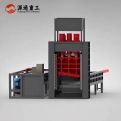
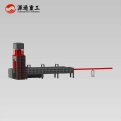
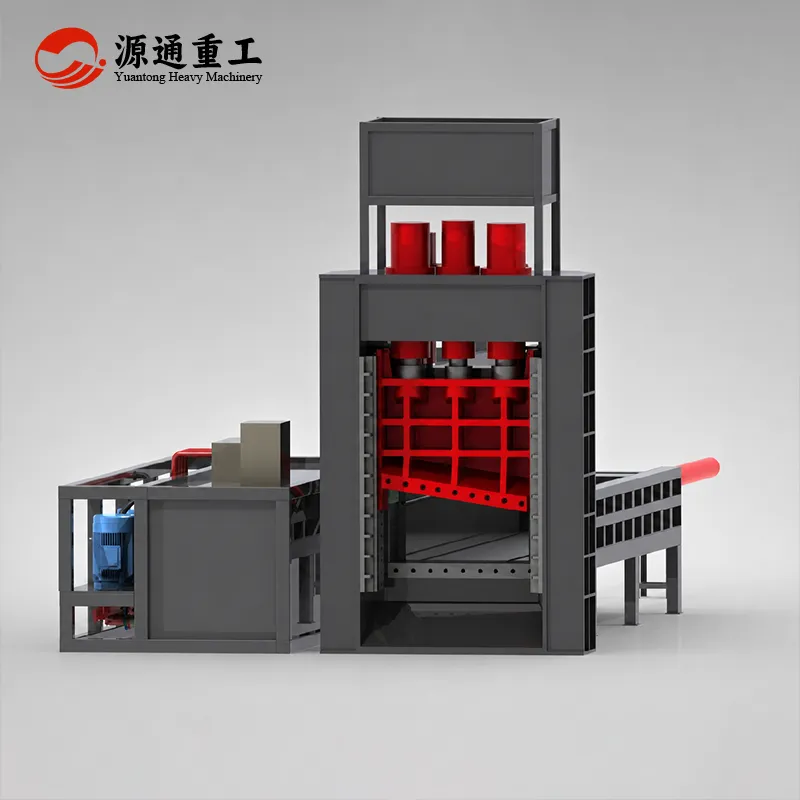
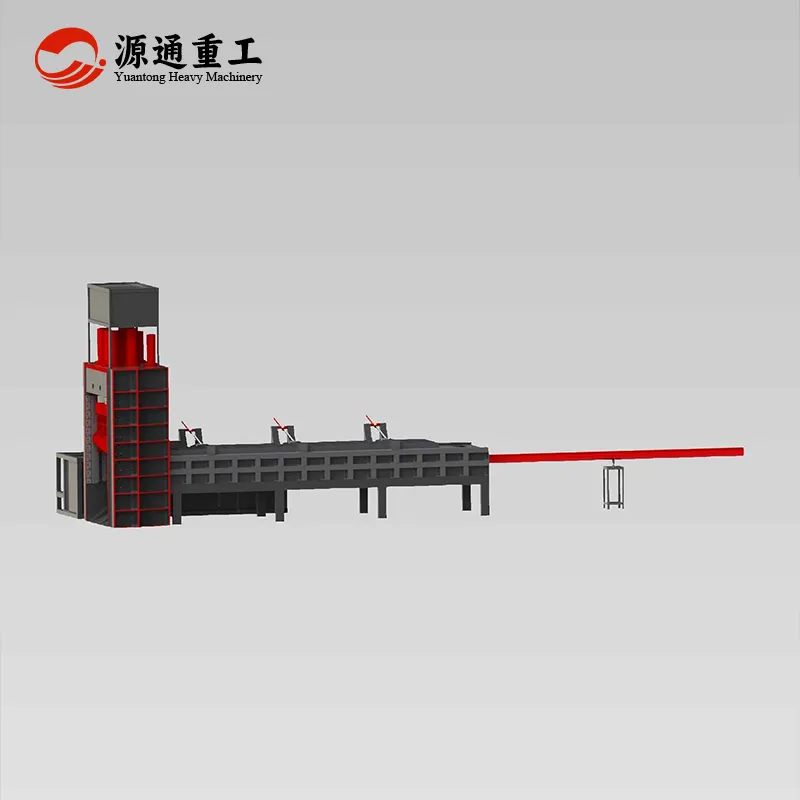
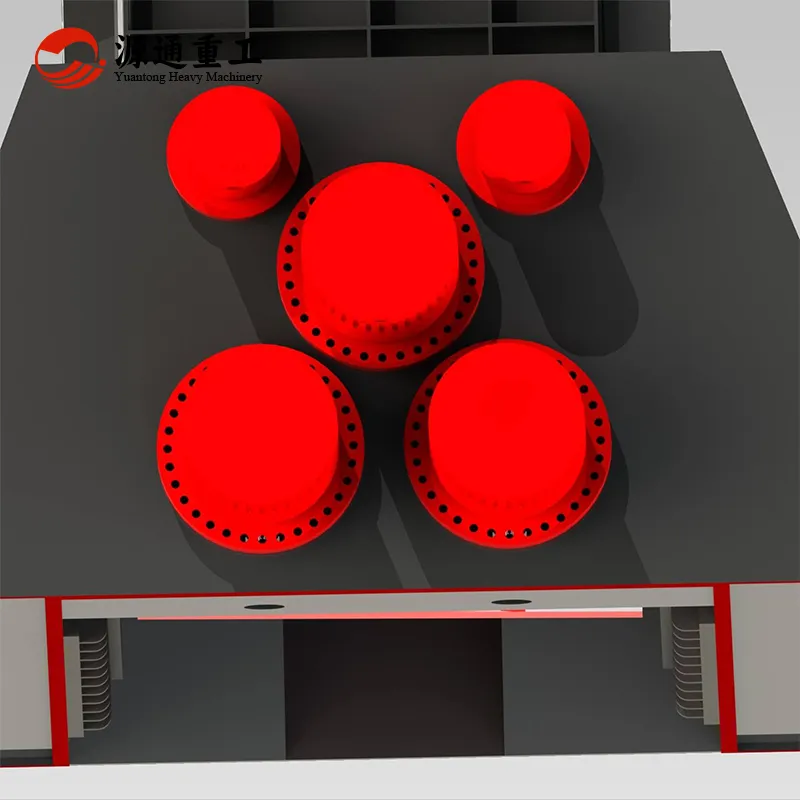
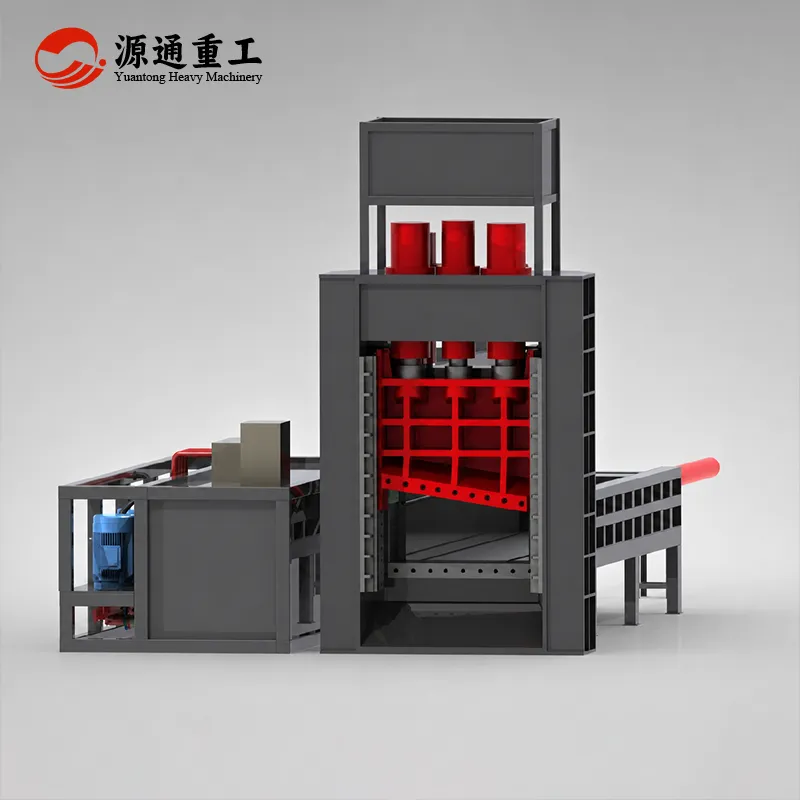
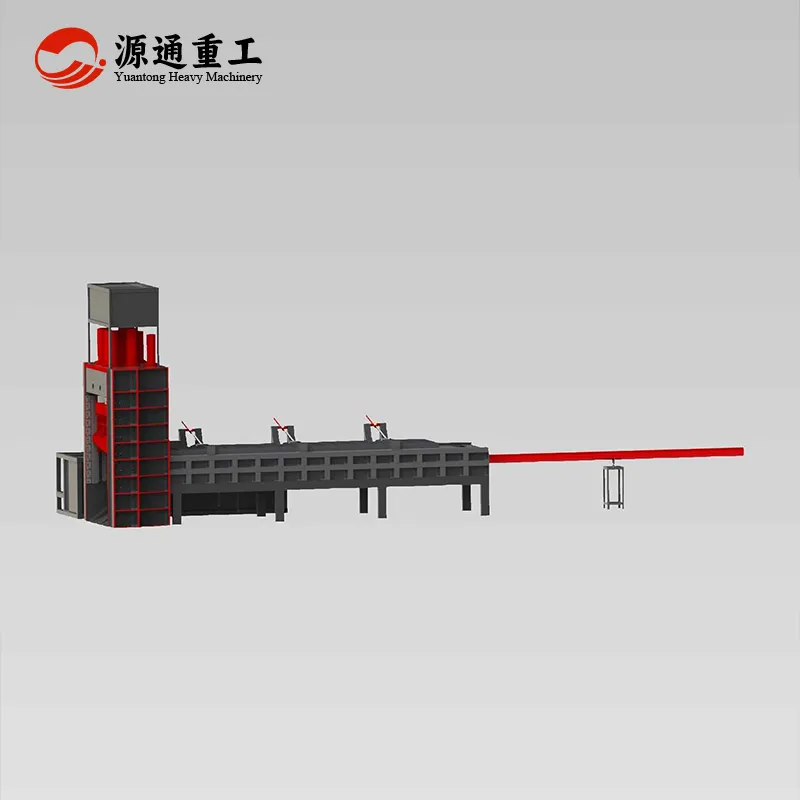
Scrap metal shear
Scrap metal shear (straight blade) for steel, copper and aluminum plate and light sections. 200-2000 t, graphite copper slide liners, H13/X45MoV blade...
Model:
Q91Y Series
Power:
74-460kw
Blade length:
1400-3000mm
Bin size:
The width of the material box is generally the width of the blade, and the length is 6m or 8m.
Why Choose Scrap Metal Shear
Scrap metal shear is the first machine in a scrap yard, dismantling plant or steel mill for long, wide material: steel plate, sections, ship plate, car bodies, plate offcuts — too long and too wide to load or feed to the furnace, so it must be cut down first.
This scrap metal shear is the straight-blade type: the blade is one flat edge that cuts across the full width in a single stroke. It suits plate-type scrap:
Steel plate, sheet, galvanized sheet
Copper, nickel and aluminum plate (non-ferrous sheet)
Light sections (small channels, angles)
Why the straight blade suits plate: plate is uniform across its width, so full-width cutting loads evenly without local overload; the straight edge gives a square, clean cut with accurate length, and the pieces are regular — easy to stack, grade and load. For yards whose feed is mostly plate, the straight blade is the simplest construction, the lowest blade cost and the least maintenance.


What It Solves: Straight Blade vs Multi-Blade vs Stepped Blade
Three blade types exist in the scrap metal shear series, each matched to its material:
Straight blade — cutting and sizing of regular plate and sections: steel plate, copper and aluminum plate, sheet, galvanized sheet, light sections. A straight edge cuts a regular piece in one stroke with a square cut face; the blade is simple, easy to re-grind and cheap to maintain.
Multi-blade — one-pass sizing of large-surface scrap: steel plate, ship plate and other large-area sheets. Blades are arranged in sections, so one stroke produces several pieces of acceptable furnace size at once — ready to charge, no second cutting. It suits yards handling large plates in batches.
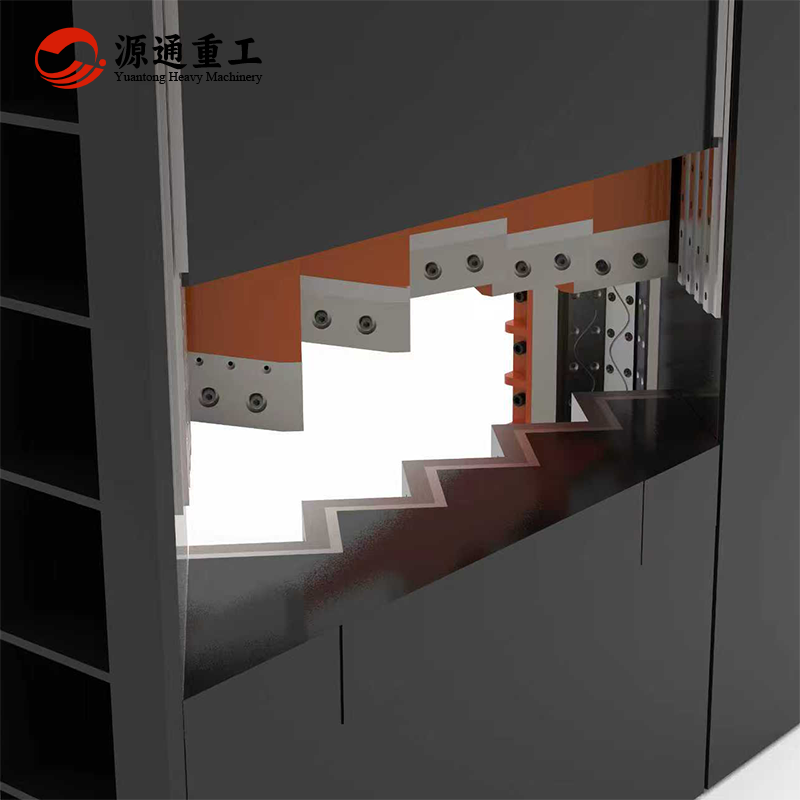
Stepped blade — the upgraded version of the multi-blade shear, for the same large-surface scrap: steel plate and ship plate are cut to acceptable furnace size in one pass, ready to charge. On top of that, the stepped edge engages progressively, so cutting is smoother, the instantaneous peak force is lower and impact is smaller — with more margin on thick and hard plate.
The multi-blade and stepped-blade shears produce the same result — large plates sized in one pass, ready to charge — and the stepped-blade machine is the structural upgrade of the multi-blade. Recommended by material: regular plate cutting with the straight blade; large plates, by volume and budget, with the multi-blade or stepped-blade shear.
Working Principle
On the scrap metal shear, a hydraulic cylinder drives the ram down; the moving blade on the ram passes the fixed blade on the bed and shears the scrap between them. Before the cut, the hydraulic hold-down clamps the material so it cannot tip or shift. The hydraulic system delivers force throughout the stroke; limit switches control stroke end. After the cut the ram returns, the hold-down releases, and the piece falls or indexes for the next cycle. Rated force is 200–2000 t, at about 3-5 cuts per minute.
Overall Structure
The scrap metal shear is built around seven assemblies:
Material box (hopper): holds the scrap before cutting, working with the hold-down for stable positioning and continuous feeding
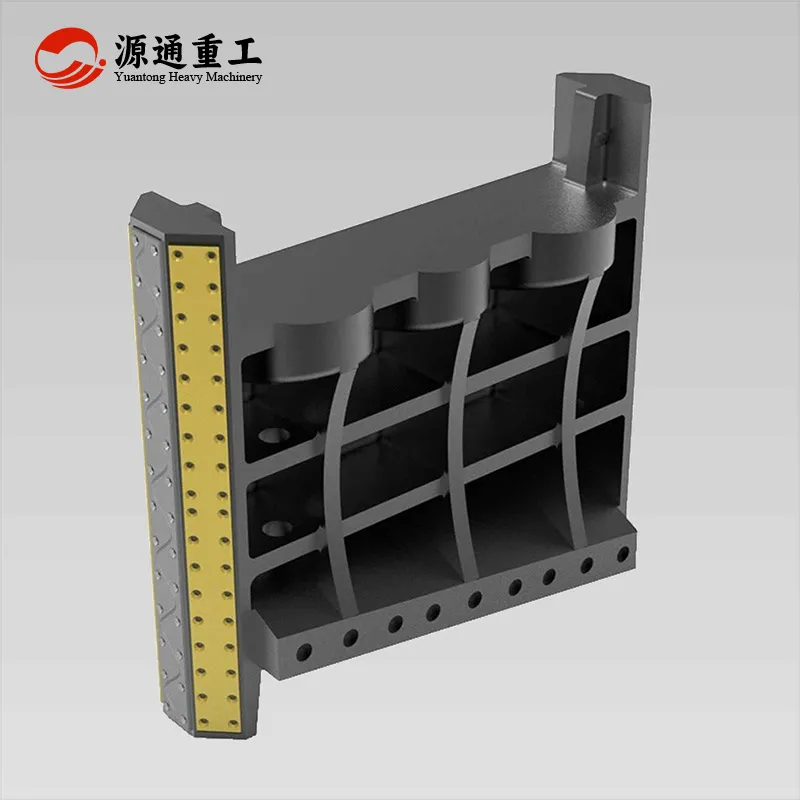
Frame: welded steel plate, stress-relieved after welding; it takes the full shear reaction
Ram and blade holder: the moving assembly, guided by the slideways on both sides
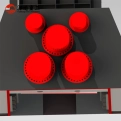
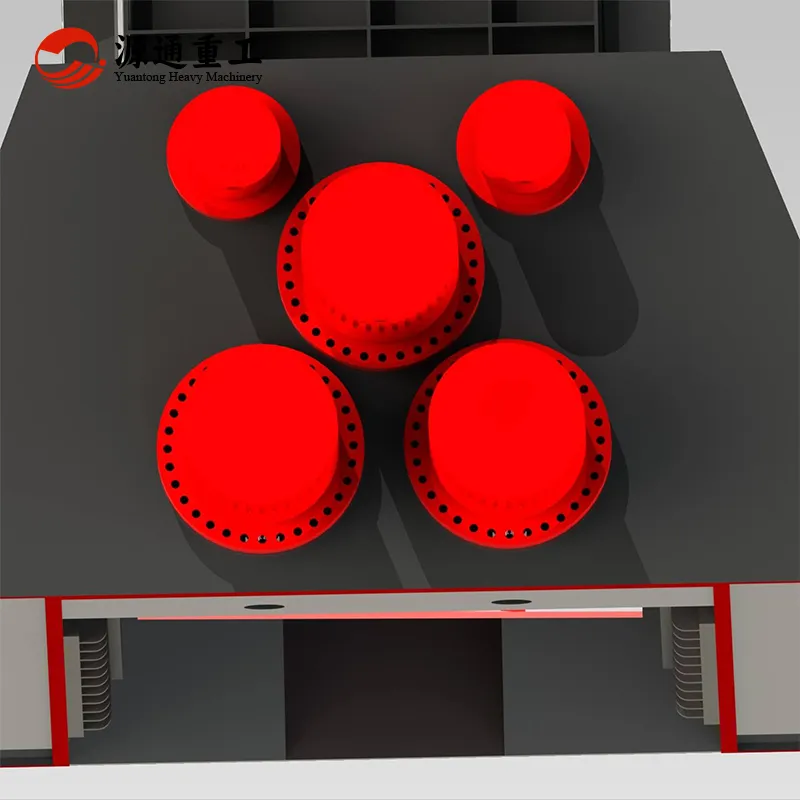
Hydraulic system: pump station, main cylinders, valve block, accumulators, oil cooler
Hold-down: hydraulic clamps that grip the material before cutting
Bed: fixed-blade seat with adjustable blade gap
Electrical control: PLC, manual and automatic cycles, stroke and pressure set per material
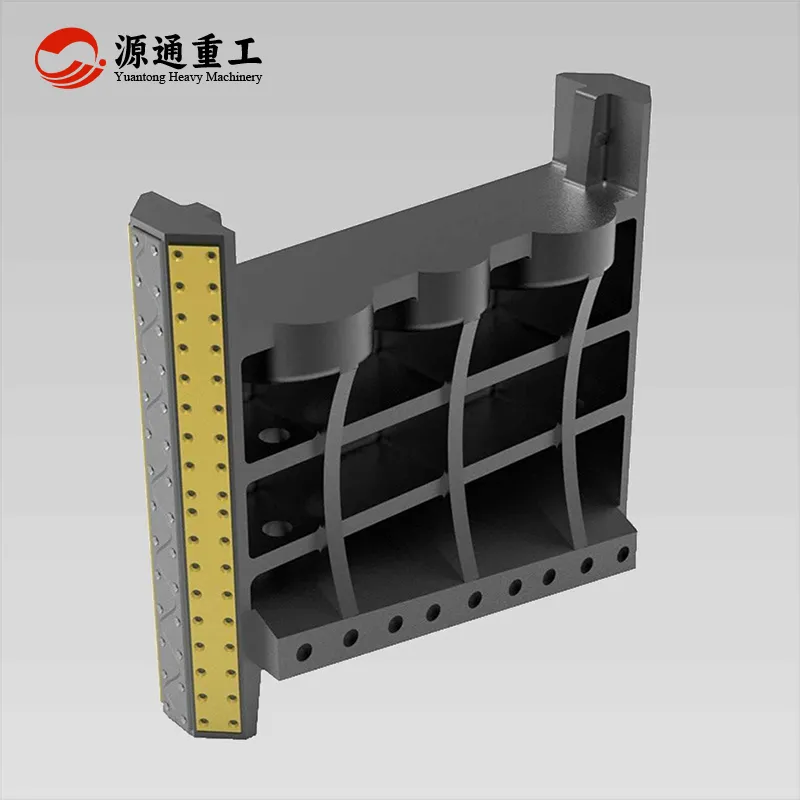
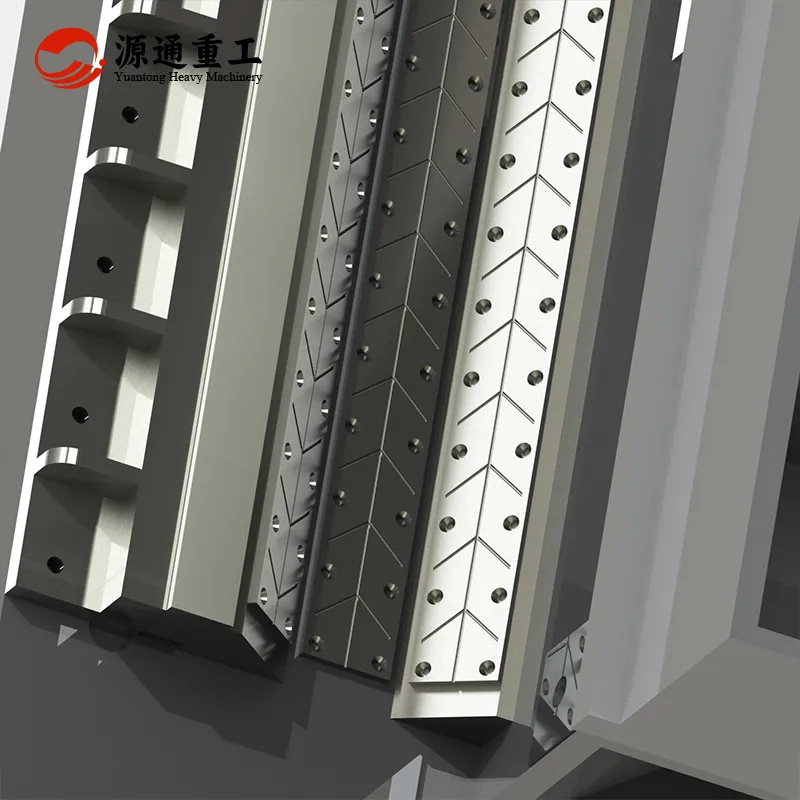
Graphite Copper Slide Liners
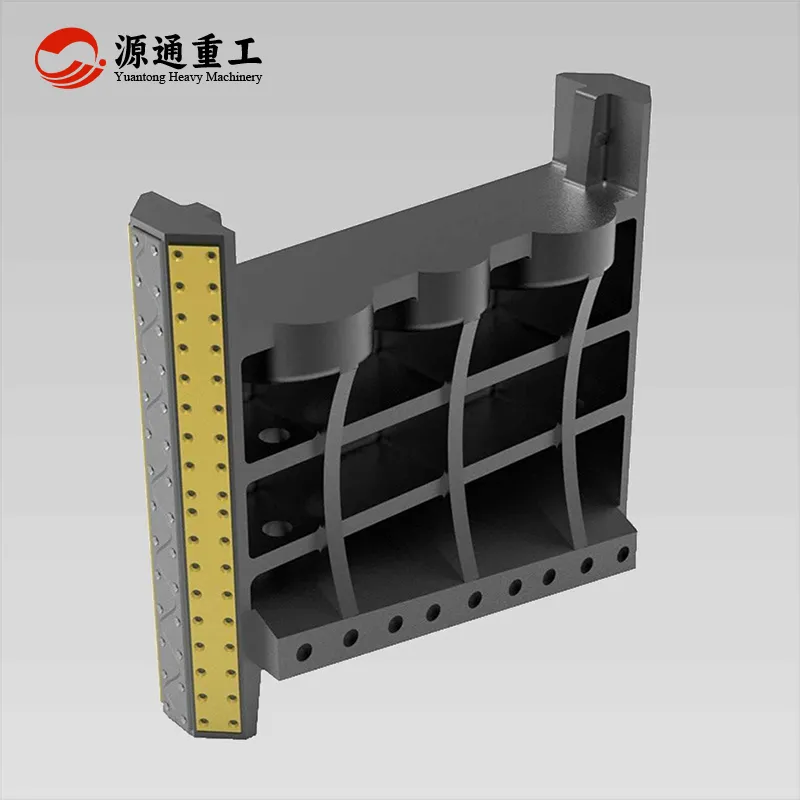
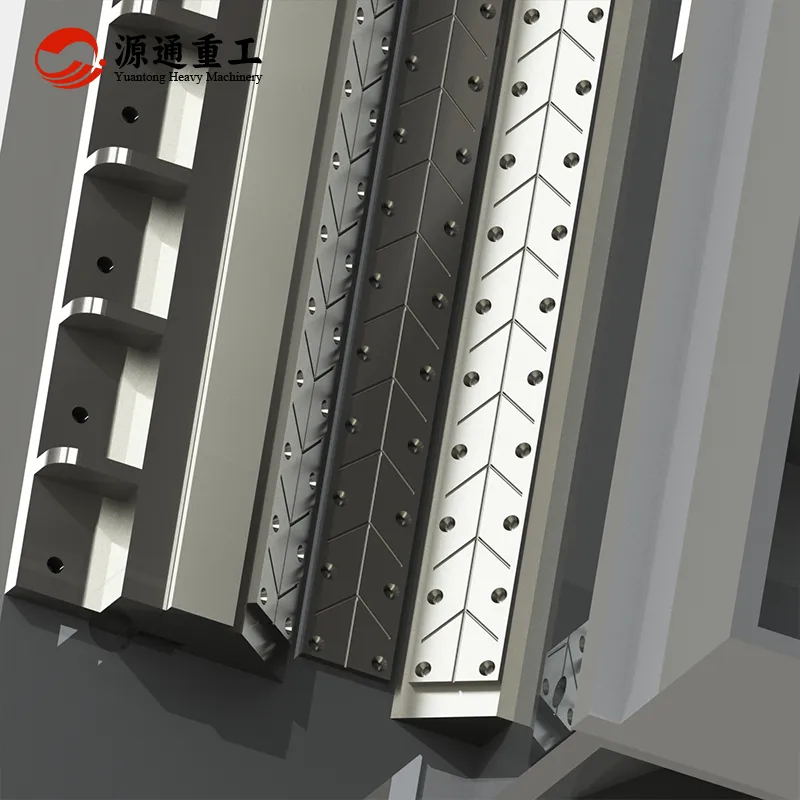
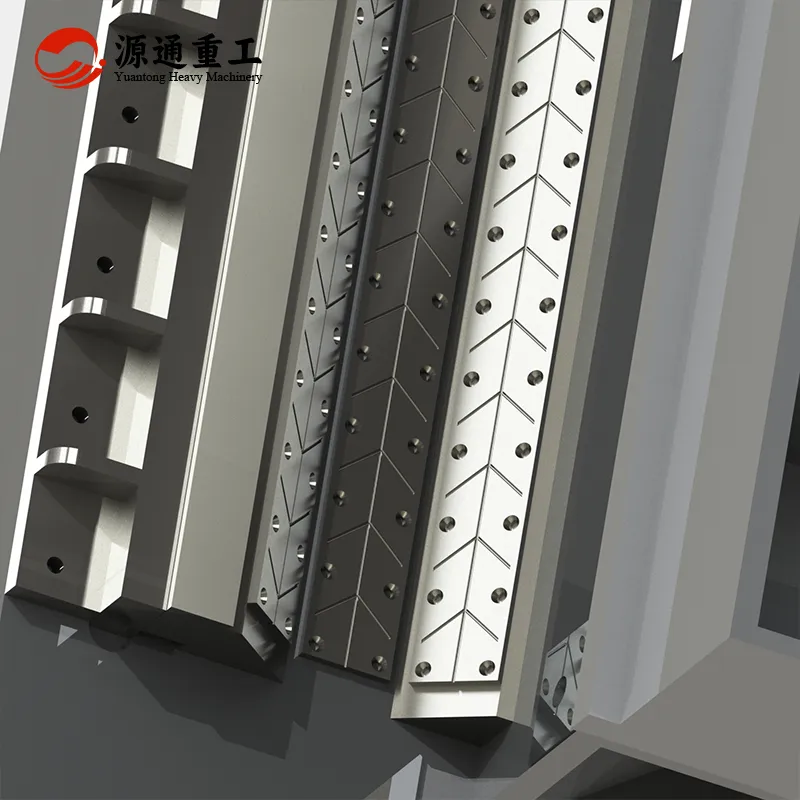
The ram of the scrap metal shear slides on the frame guide ways on graphite copper liners — graphite particles uniformly distributed in the copper matrix form a self-lubricating film. The difference shows in maintenance records:
The graphite copper liner runs dry with no grease — the self-lubricating film keeps friction low, so it does not gall or score the hardened guide surface the way steel-on-steel contact does;
When it wears, you replace the liner (hours), not the frame or the ram (days);
The graphite copper liner absorbs the side loads of off-centre cuts, so slide clearance and blade gap stay in adjustment longer;
The wear part is the cheap, replaceable liner — not the expensive structure.
Blade Material
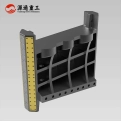
Blades are the highest-wear item on a scrap metal shear. Grade is selected by the scrap:
H13: Standard grade – Impact resistant, cut resistant, not prone to chipping, suitable for ordinary scrap steel.
X45MoV: upgraded grade — wear resistance and toughness in balance, overall better than H13 — edges last longer in the same duty, suited to hard scrap and long continuous running; the recommended choice.
Hardness is balanced against toughness deliberately: too hard, the edge chips on the first weld seam; too soft, it dulls within a shift. Blades are re-ground several times; keep a spare set in rotation.
Technical Specifications
| Model | Shear Force (t) |
Blade length (mm) |
Shear Frequency (times/min) |
Power (kw) |
Working pressure (Mpa) |
Bin size (mm) |
||
| Q91Y-315 | 315 | ≤1200 | 3-5 | 60 | 28 | 5000*1100*550(750) | ||
| Q91Y-400 | 400 | ≤1500 | 3-5 | 80 | 28 | 6000*1300*650(850) | ||
| Q91Y-500 | 50 | ≤1600 | 3-5 | 80 | 28 | 6000*1500*750(950) | ||
| Q91Y-630 | 630 | ≤1800 | 3-5 | 135 | 28 | 8000*1700*800(1100) | ||
| Q91Y-800 | 800 | ≤2000 | 3 | 180 | 28 | 8000*1900*900(1200) | ||
| Q91Y-1000 | 1000 | ≤3000 | 3 | 270 | 28 | 8000*2900*900(1200) | ||
| Q91Y-1250 | 1250 | ≤3000 | 3 | 315 | 28 | 8000*2900*900(1200) | ||
| Q91Y-1500 | 1500 | ≤3000 | 3 | 450 | 28 | 8000*2900*1000(1300) | ||
| Q91Y-2000 | 2000 | ≤3000 | 3 | 540 | 28 | 8000*2900*1100(1400) | ||
| For more information, please contact us: 8615736727558 hnytzgjx@163.com | ||||||||
FAQ Section
Frequently Asked Questions!
Find answers to frequently asked questions about our products, services, and policies—all your queries will be addressed here.

Are you a manufacturer or a trading company?
We are a professional manufacturer specializing in recycling and waste processing equipment.
Can you customize the machine according to our requirements?
Yes, we provide customized solutions based on your materials, capacity, and site conditions.
What materials can your shredders process?
Our shredders can process metal scrap, plastics, tires, e-waste, wood, and various solid wastes.
Do you provide installation and technical support?
Yes, we offer complete technical support, installation guidance, and after-sales service.
How can I get a quotation?
Simply send us your material type, capacity requirement, and project details for a quick quotation.